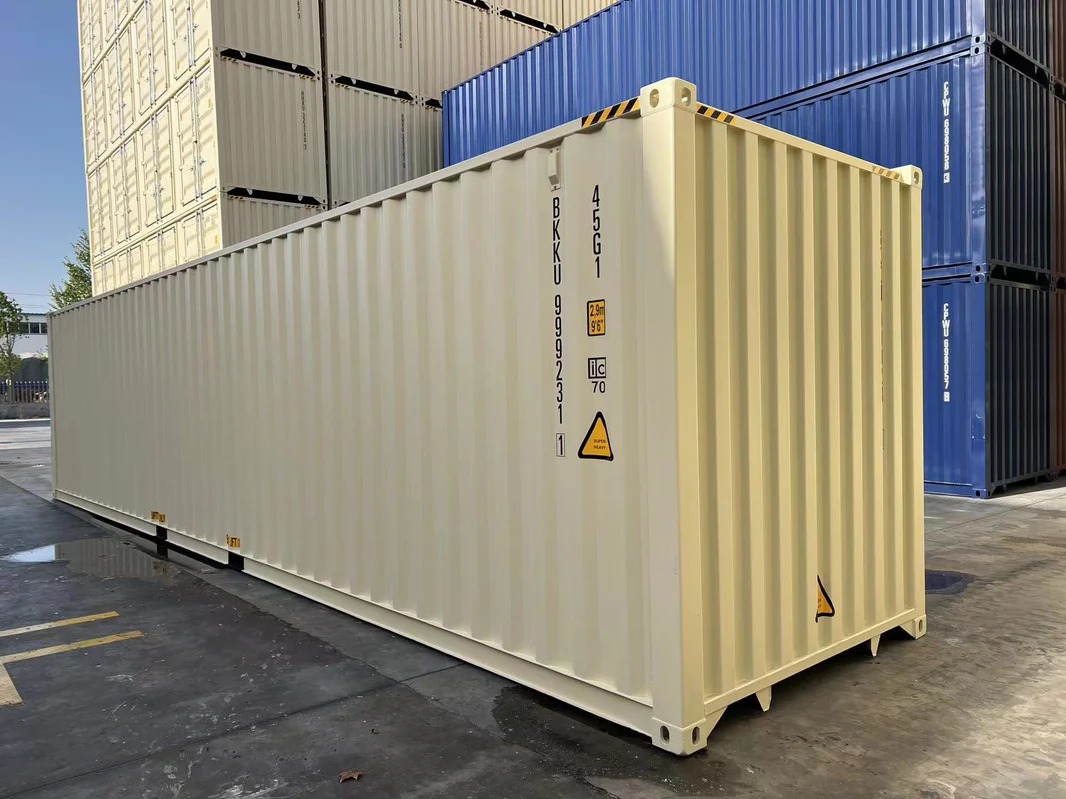
What You Can Use A Weekly 20 Feet Container Dimensions Project Can Change Your Life
Understanding 20 Feet Container Dimensions: A Comprehensive Guide
When it comes to worldwide shipping, storage, and logistics, container dimensions play a crucial role in planning and execution. Among 20ft Side Opening Shipping Container used containers is the 20-foot shipping container. They are favored for their flexibility, cost-efficiency, and ease of transport. Nevertheless, comprehending their exact dimensions is essential for a smooth shipping experience. This article will explore the dimensions of a 20-foot container, its specifications, advantages, and supply answers to regularly asked questions to help traders, logistics organizers, and shipping enthusiasts alike.
Dimensions of a 20 Feet Container
The 20-foot container is typically referred to as a TEU (Twenty-foot Equivalent Unit). Below is a detailed summary of its dimensions:
Dimensions
Basic 20' Container
20' High Cube Container
External Length
20 ft (6.058 m)
20 ft (6.058 m)
External Width
8 ft (2.438 m)
8 ft (2.438 m)
External Height
8.5 ft (2.591 m)
9.5 ft (2.896 m)
Internal Length
19.4 ft (5.898 m)
19.4 ft (5.898 m)
Internal Width
7.7 ft (2.352 m)
7.7 ft (2.352 m)
Internal Height
7.9 ft (2.392 m)
8.9 ft (2.698 m)
Maximum Gross Weight
24,000 pounds (10,886 kg)
24,000 lbs (10,886 kg)
Tare Weight
2,300 lbs (1,043 kg)
2,300 lbs (1,043 kg)
Payload Capacity
21,700 lbs (9,834 kg)
21,700 pounds (9,834 kg)
Key Takeaways
- External Dimensions: The external length of both basic and high cube containers is identical, but the high cube uses additional height.
- Internal Height Variance: The primary distinction between a basic container and a high cube container depends on their height. The additional foot in height provides more space, making it especially advantageous for taller cargo.
- Optimum Payload: Both types have the exact same payload capacity, usually ranging around 21,700 pounds (9,834 kg), enabling significant cargo.
Advantages of 20 Feet Containers
- Adaptability: Suitable for numerous cargo types, including basic merchandise, devices, and individual impacts.
- Affordable: With a moderate size, 20-foot containers tend to be more economical to ship than larger containers like 40-foot containers.
- Reduce of Handling: Their size makes them easier to deal with, stack, and transportation, specifically in city environments with minimal space.
- Availability: 20-foot containers are among the most typically readily available, enabling for easy gain access to and a wide variety of shipping choices.
Usage Cases
- International Shipping: Ideal for moving products over oceans.
- Storage Solutions: Frequently utilized for protected on-site storage.
- Building and Mobile Offices: Can be transformed into website workplaces or short-term living quarters.
- Occasion Planning: Used for storage of devices, materials, and exhibits throughout occasions.
Often Asked Questions (FAQ)
1. What is the Difference Between a Standard and High Cube Container?
The main difference is the height; high cube containers are generally one foot taller than standard containers, supplying extra interior area.
2. What Can Fit into a 20 Feet Container?
A 20-foot container can normally hold about 10-11 standard pallets, ideal for basic cargo, individual items, or bulky items.
3. What is the Maximum Weight Limit for a 20-foot Container?
The optimum gross weight limitation for both standard and high cube 20-foot containers is generally around 24,000 pounds (10,886 kg).
4. Can a 20-foot Container Be Used for Refrigerated Shipping?
Yes, there are cooled variations of the basic 20-foot container used for carrying perishable goods.
5. How are 20-foot Containers Transported?
These containers can be moved via ships, trucks, or trains, often utilizing specialized chassis geared up to hold containers safely.
6. Are 20-foot Containers Secure?
Yes, shipping containers are made from high-tensile steel and are developed to be protected against theft and weather, particularly when correctly locked.
Summary
Comprehending the dimensions and requirements of 20-foot containers is important for anyone associated with logistics, shipping, or storage solutions. Whether selecting between a basic and high cube model or planning a shipment, knowing the precise measurements can considerably affect the effectiveness and costs of shipping operations. With their adaptability and effectiveness, 20-foot containers will continue to play a fundamental role in global trade and logistics for several years to come.
In closing, as markets evolve and the demand for effective shipping solutions grows, an extensive understanding of container dimensions will allow stakeholders to make educated decisions that boost their operations.